Tree Trimming & Pruning in Green Bay, WI
Prune for roof clearance, healthier structure, and less sail in wind and ice.
Start with what the property needs.
Trimming is for trees you want to keep. The goal is clearance, a more stable crown, and fewer branches hanging over roofs, walks, and drives. A local provider can look at the tree and tell you what is worth cutting now versus leaving alone.
What this service involves
Green Bay winters load branches with ice, and lake-effect wind adds extra pull on trees that have grown tall and one-sided. Trimming can lift limbs off a roof, open a drive, or reduce weight on a weak union. It should follow how the tree is actually growing, not a one-size haircut.
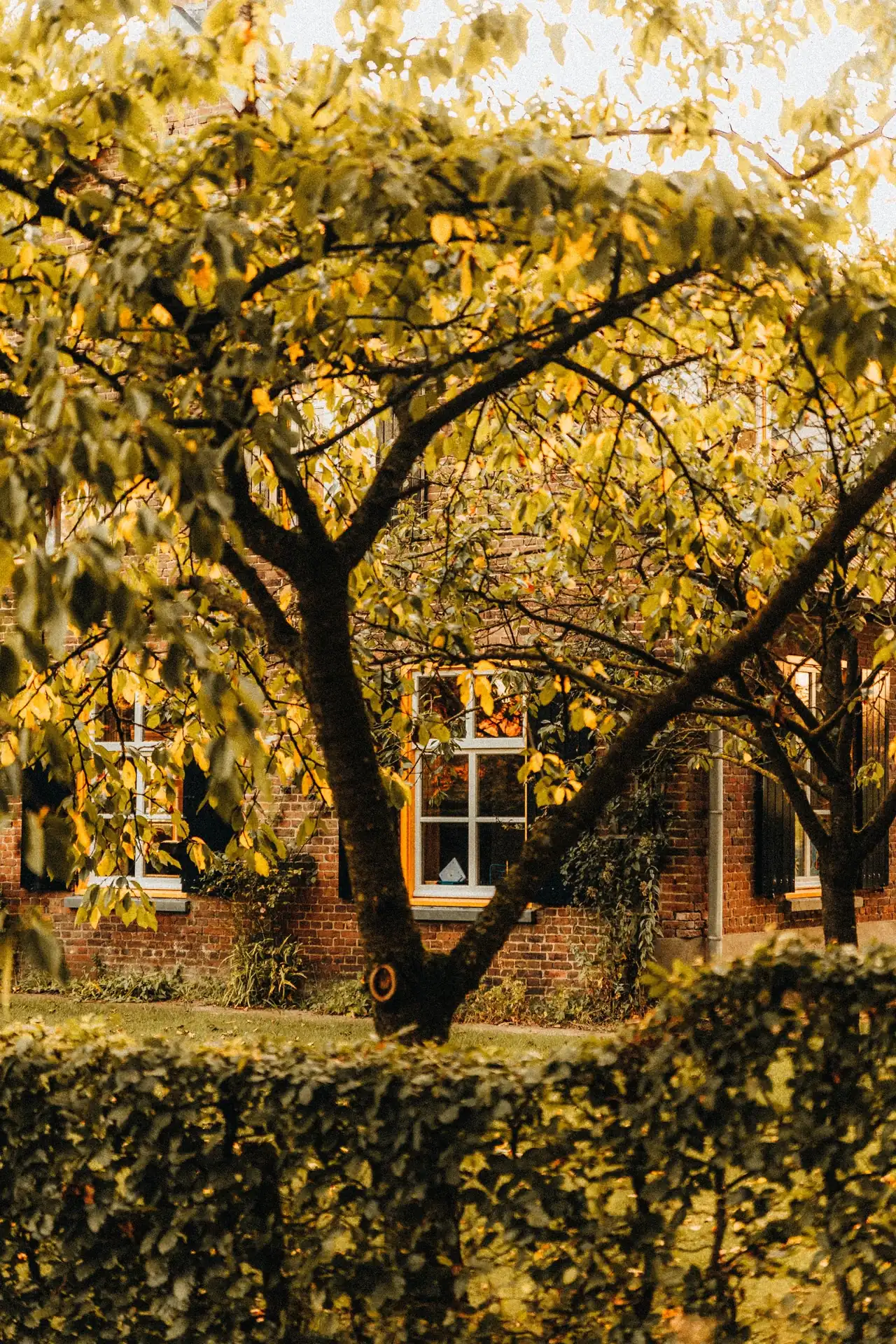
Older east- and west-side lots often have large maples and similar shade trees planted closer to houses than a modern setback would allow. Those trees may only need targeted cuts. Over-thinning or topping is a different job, and the provider should explain what they plan to take off before work starts.
Roof, driveway, and walkway clearance
Identify the branches that are touching a roof, blocking a drive, or hanging over a walk. Say how much clearance you need and how much canopy you want to keep. The provider should explain the proposed cuts after reviewing the tree rather than treating every request as a full crown reduction.
Deadwood and damaged limbs
Mention dead branches, a recent split, or storm-damaged limbs separately from routine clearance work. Photos taken safely from the ground can help show the concern and what sits below the canopy. If the tree itself may need to come down, use the tree-removal page to describe that larger scope.
What changes a trimming quote?
Tree size, number of trees, access for equipment, nearby structures, and the amount of wood to remove all affect the scope. Say whether you want brush and cut wood removed or left on site. The provider must confirm the work, cleanup, and timing; this website does not guarantee a pruning result or response time.
When to plan the work
Plan clearance work before storm season if limbs are already on a roof or hanging over a walk. Deadwood can be requested any time you can get a crew to the property. Leaf-off months make structure easier to see; summer work is still common when a limb is in the way.
Details worth deciding early
- Which limbs are over a roof, drive, walk, or neighboring yard
- Whether the tree has deadwood, included bark, or a recent split
- How much clearance you want versus how much canopy you want to keep
- Access for a lift, climber, or ground crew on a compact lot
What to include in the request
- Roof, siding, and driveway clearance
- Deadwood and storm-damaged limbs
- Crown work aimed at ice and wind loading
- A clear description of what will be cut before the crew starts
A good fit for
Property owners who want to keep a tree and reduce the load on roofs, walks, and drives.
Common questions
Is trimming the same as topping a tree?
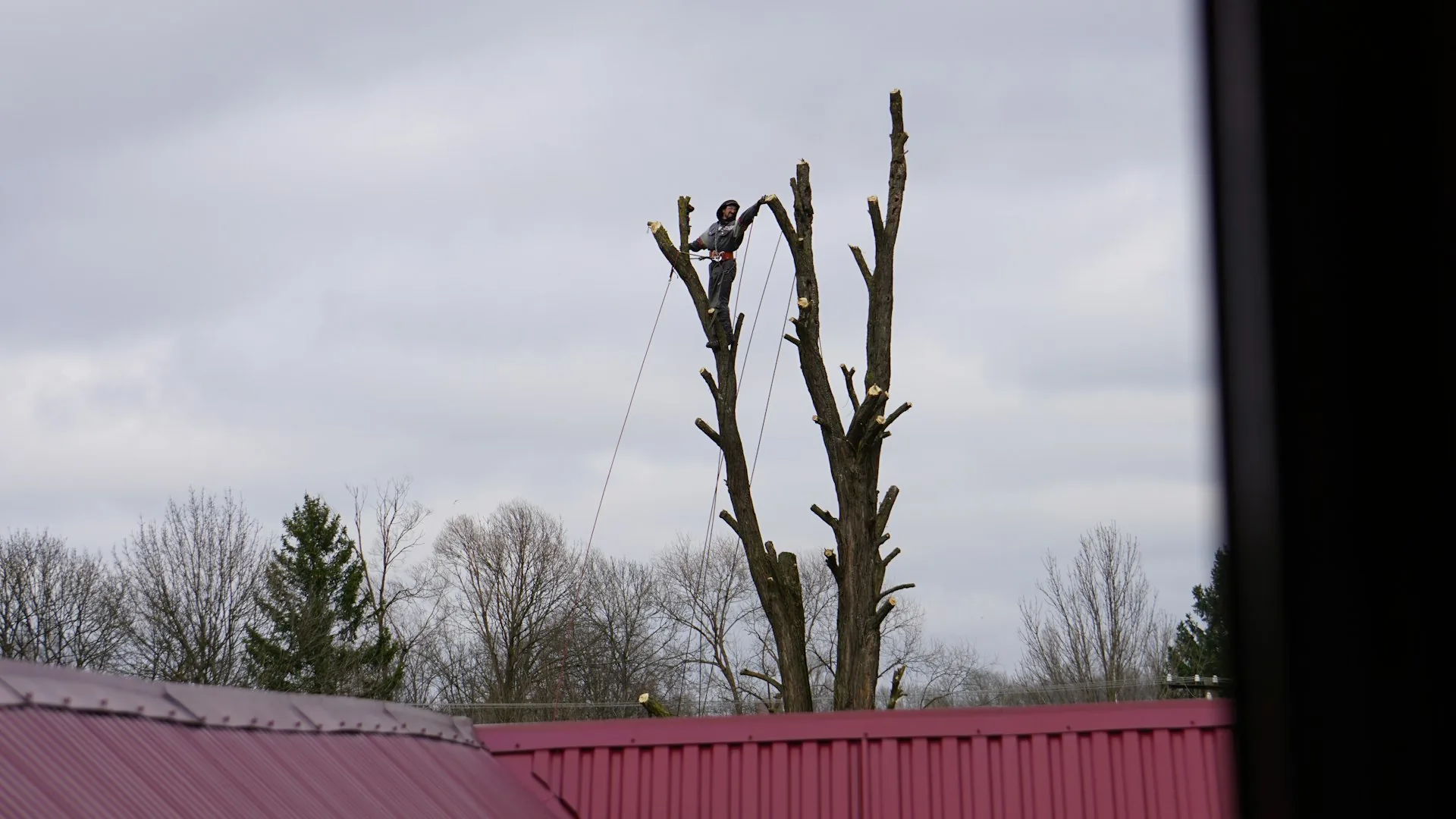
No. Topping cuts the main leaders back to stubs. A useful trim targets specific limbs for clearance or structure and leaves the tree able to close those cuts. Ask the provider to describe the cuts before work begins.
Can you trim a tree that hangs over a neighbor's yard?
Work on your property can often address limbs that start on your lot. Crossing property lines, HOA rules, and who owns the tree all matter. Describe the situation in the request so the provider can say whether they will take the job.
Will trimming stop storm damage?
It can reduce sail and remove weak wood, but no trim is a guarantee against ice or lake-effect wind. The provider should be honest about what a pruning job can and cannot change.
Have a project in mind?
Give the provider enough context to make the first conversation useful. Exact measurements can come later.